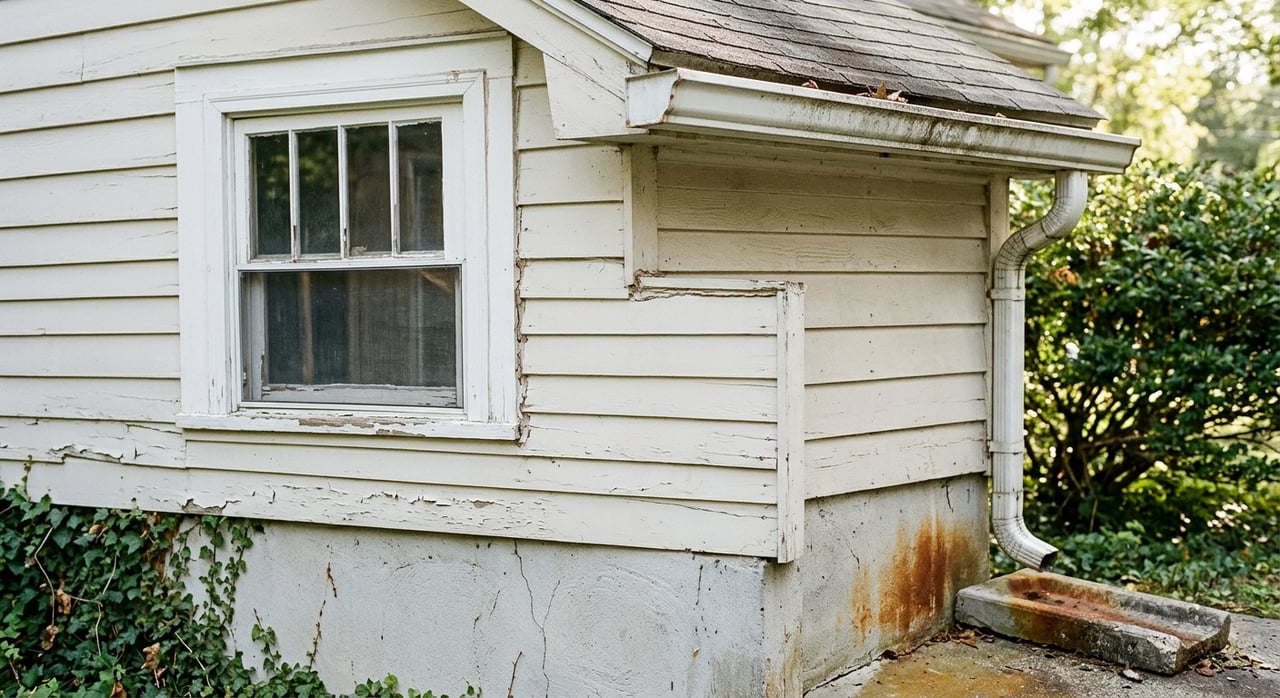
Dreaming about turning a dated house into a great home or smart investment in Watervliet? A fixer-upper can create opportunity, but older homes can also hide expensive surprises behind fresh paint and bargain pricing. If you know what to check first, you can protect your budget, plan repairs in the right order, and move forward with more confidence. Let’s dive in.
Start With Watervliet’s Housing Age
One of the first things to look at in a Watervliet fixer-upper is when the home was built. In ZIP code 49098, homes were most commonly built in the 1940s and 1980s, with a significant number built even earlier. That matters because age often points to the kinds of repairs and safety issues you may face.
Older homes can have outdated systems, deferred maintenance, and materials that need special handling during renovation. In this area, that means you should pay close attention to structure, moisture, electrical, plumbing, heating and cooling, and possible environmental hazards. The home’s age helps you decide how deep your inspection should go from day one.
Check Safety Issues First
Before you think about cabinets, flooring, or paint colors, focus on health and safety concerns. In many older homes, the most important early questions involve lead-based paint, possible asbestos-containing materials, and moisture-related damage. These are not cosmetic issues, and they can quickly affect your renovation scope and budget.
For homes built before 1978, lead-based paint should be a top concern. EPA guidance says many older homes contain some lead-based paint, especially homes built before 1940. If renovation work will disturb painted surfaces, especially windows and trim, lead dust can become a real issue.
If the house may contain asbestos materials, those materials should be sampled before renovation if the planned work could disturb them. This can apply to insulation, flooring, siding, or other older building components. It is much better to identify this early than after a project is already underway.
Look Closely for Moisture Problems
Moisture damage is one of the biggest budget killers in a fixer-upper. EPA guidance warns that too much moisture can lead to mold, mildew, rot, structural damage, and paint failure. In practical terms, that means a home that looks mostly cosmetic on the surface may actually need major repairs.
Pay close attention to the roof, flashing, basement, crawl space, windows, and ventilation. Also look at grading and drainage around the home. If water is getting in now, cosmetic updates should wait until the source is fixed.
Evaluate the Building Envelope
The building envelope is everything that protects the home from weather. That includes the roof, windows, exterior walls, insulation, flashing, and drainage. In an older Watervliet home, these items often tell you whether the house has simply aged or whether it has been under-maintained for years.
A weak envelope can drive up repair costs fast. A worn roof, failing windows, poor insulation, or drainage issues can affect energy use, indoor comfort, and the condition of walls, floors, and framing. If you are trying to build a realistic renovation budget, this is one of the most important categories to inspect.
Review Major Systems Early
After safety and moisture, shift your attention to the home’s major systems. HUD guidance recommends evaluating electrical, plumbing, and HVAC systems along with structural and interior conditions. These systems can be expensive to replace, so you want a clear picture before moving forward.
Ask your inspector to help estimate the remaining useful life of major systems and equipment. A house may still be a great opportunity even if updates are needed, but the numbers have to make sense. Knowing whether you are dealing with basic improvements or full replacement helps you negotiate and budget more accurately.
Don’t Ignore Structural Clues
Structure is another major checkpoint in a fixer-upper. Watch for uneven floors, sticking doors, wall cracks, signs of movement in the foundation, and water intrusion in the basement. Some issues are manageable, but others can reshape the entire renovation plan.
This is where a thorough inspection matters. A cosmetic project can quickly turn into a structural one if the home has settling, rot, or long-term moisture damage. You want those answers before you get emotionally attached to the kitchen layout.
Confirm Utilities and Site Conditions
In the Watervliet area, not every property has the same utility setup. A key question is whether the home is on municipal services or uses a private well and septic system. That detail can affect inspections, approvals, repair costs, and your long-term maintenance planning.
If the property has a private well or septic system, Berrien County Health Department evaluates on-site water and sewage systems before sale and regulates on-site sewage systems. The county also requires an application to install a septic system and recommends pumping septic systems every three years. For a fixer-upper, those are important pieces of due diligence.
If the property has municipal water, older-service-line questions should still be part of your checklist. EPA notes that lead pipes are more likely in older cities and in homes built before 1986. That does not mean every older home has this issue, but it is worth asking about early.
Ask About Floodplain Risk
If the property is near water or in a low-lying area, floodplain review should be part of your research. Michigan EGLE says FEMA flood maps are the main source of floodplain information and the official public source for flood hazard data. This matters even more if you are planning major improvements.
EGLE also notes that new construction or substantially improved buildings in the 100-year floodplain must meet elevation standards, and residential construction is prohibited in the floodway. If a fixer-upper may need extensive work, floodplain rules can affect both scope and cost. It is much better to confirm this before finalizing your plans.
Understand Watervliet Permit Requirements
A fixer-upper budget should include more than materials and labor. Local permits and inspections can shape both timeline and cost. Watervliet provides separate building, mechanical, electrical, and rental permits and inspections, and some projects may also involve zoning, driveway, soil erosion, septic, or other approvals.
The city’s building permit application says plan review is required for most residential projects over $50,000. Mechanical and electrical permit forms also note that work cannot be enclosed or placed into operation until inspected and approved. That makes permit planning a core part of your renovation timeline, not an afterthought.
If you are buying as an investor, also confirm whether the property will be owner-occupied or used as a rental. Local compliance obligations can differ depending on the intended use. That question should be settled before work begins.
Follow the Right Repair Order
One of the easiest ways to lose money on a fixer-upper is doing work in the wrong order. A practical sequence is to handle safety issues first, then the building envelope and moisture control, then the major systems, and only after that move to cosmetic updates. This approach follows the broader inspection and renovation priorities supported by HUD and EPA guidance.
That order helps you avoid redoing finished work later. For example, there is no benefit in installing new drywall or flooring before solving leaks, wiring issues, or ventilation problems. A clear repair sequence also makes contractor walkthroughs and budget decisions much easier.
Budget With a Realistic Scope
Not every fixer-upper needs the same level of work. In Watervliet, renovation needs often fall into a few common buckets:
- Cosmetic updates like paint, flooring, fixtures, and cabinets
- Envelope work such as roof, flashing, windows, insulation, and drainage
- Systems work involving electrical, plumbing, and HVAC
- Hazard-related work such as lead, asbestos, radon, and moisture issues
Breaking the house into these categories can help you think more clearly about total cost. It also helps you separate must-do repairs from nice-to-have upgrades.
Use Inspections to Protect Yourself
A buyer-first inspection strategy is especially important with fixer-uppers. HUD notes that a home inspection is meant to inform you before you make a full financial commitment, and CFPB recommends making the purchase contingent on financing and a satisfactory inspection. That gives you room to understand the property before you are locked in.
You can also ask a prospective inspector for their Standards of Practice or a sample report. That simple step can help you choose someone who will give you a thorough, useful evaluation. In an older home, the quality of your inspection can shape every decision that follows.
Consider Renovation Financing Options
If you love the property but do not want to pay cash for every repair, financing may be part of the solution. HUD’s 203(k) program can combine purchase or refinance costs with rehabilitation for a home that is at least one year old. HUD’s Title 1 program also supports home-improvement loans.
That does not mean every fixer-upper is the right fit for renovation financing, but it does mean you may have more options than you think. If you are budget-conscious, it is smart to explore financing early so your property search matches what you can comfortably take on.
A Watervliet fixer-upper can be a great opportunity, but the best purchases start with clear eyes and a solid plan. If you focus on age, hazards, moisture, systems, utilities, permits, and repair order, you will be in a much stronger position to judge whether a home is a hidden gem or a hidden money pit. When you want practical guidance on buying, inspecting, and planning your next move, connect with Kameron Morris and Kristy Morris.
FAQs
What should you inspect first in a Watervliet fixer-upper?
- Start with safety concerns, moisture issues, the roof and exterior, structure, and major systems like electrical, plumbing, and HVAC.
Why does the age of a Watervliet home matter when buying a fixer-upper?
- In 49098, many homes were built in the 1940s or earlier, which can increase the chance of outdated systems, lead-based paint concerns, and age-related repair needs.
What lead-paint rules apply to older Watervliet homes?
- For homes built before 1978, sellers must disclose known lead hazards before sale, and buyers get a 10-day period to conduct a lead paint inspection or risk assessment.
What utility questions should you ask about a fixer-upper in Berrien County?
- Ask whether the home uses municipal water and sewer or a private well and septic system, because inspections, maintenance, and county oversight can differ.
What permits might a Watervliet renovation need?
- Depending on the project, you may need building, mechanical, electrical, zoning, septic, rental, driveway, or soil-erosion approvals and inspections.
Why should you check floodplain status before renovating a Watervliet property?
- If the home is near water or in a low-lying area, floodplain rules can affect what improvements are allowed and how the project must be built.
Are there financing options for buying and fixing up a Watervliet home?
- Yes. HUD’s 203(k) program and Title 1 program may help eligible buyers finance rehabilitation or home improvements.
