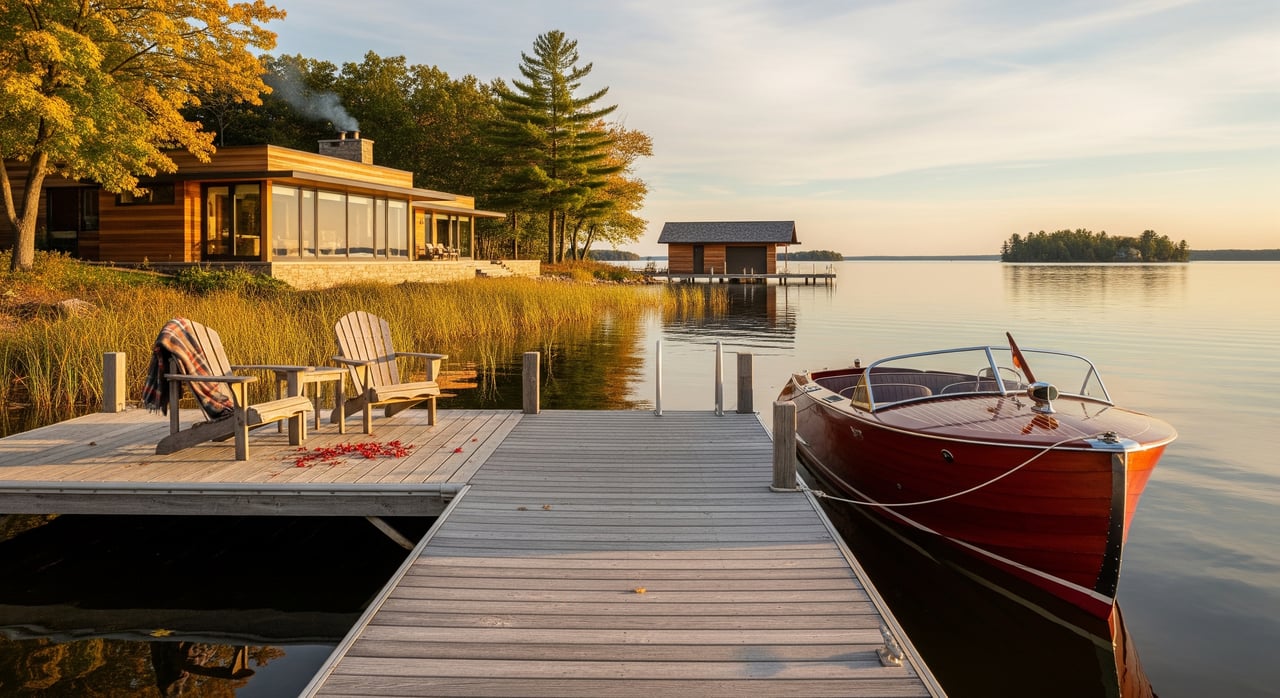
Dreaming of a cottage where weekends feel like a deep breath? If you are eyeing Sister Lakes in Cass County’s 49047, you want a clear picture of what life actually looks like across spring, summer, fall and winter. This guide shows you the seasonal rhythms, the everyday conveniences, and the practical checks that make lake living smooth. You will also find buyer tips so you can shop with confidence. Let’s dive in.
Why Sister Lakes fits a getaway
Sister Lakes is a cluster of small inland lakes known for relaxed waterfront living, outdoor fun and a slower pace. You will find seasonal cottages, weekend retreats and comfortable year‑round homes. Many buyers are weekenders, seasonal residents or retirees who value water access and simple routines.
For out‑of‑area owners, the appeal is straightforward. You get lake time, local dining and small‑town comforts without the rush of a big tourist strip. Some properties are also used as short‑term rentals. If that is part of your plan, you will want to confirm local rules, association bylaws and capacity limits before you buy.
Spring in Sister Lakes
What spring feels like
Spring starts when the ice clears and docks begin to go in. You will see neighbors tackling shoreline cleanups, testing boats and planning the first fishing mornings for panfish and bass. Weekends pick up slowly, which makes May a great time to explore without summer crowds.
Spring to‑do list for owners
- Inspect docks and lift systems. Schedule installation early so you are ready for the first warm spell.
- Test well water and check your septic. Pump if needed and verify sump pumps and gutters are working after thaw.
- Walk the shoreline and driveway during a rain. Look for erosion, pooling and runoff patterns to address before summer.
- Monitor early weed growth. Coordinate with your lake association before you apply any herbicides.
Buyer tips for spring showings
- Ask about deeded lake access versus an easement or association membership. Access rights drive value and guest convenience.
- Confirm whether docks and boat lifts are included in the sale, their condition and any required permits.
- Look for signs of spring flooding near the shoreline and check drainage around outbuildings and driveways.
Summer in Sister Lakes
Day‑to‑day summer life
Summer is peak season. Mornings often start with coffee on the deck and a quick paddle or fishing run. Afternoons bring boating, tubing, water‑skiing and pontoon cruising, followed by lakeside grilling. You will find seasonal pop‑ups, ice cream stands and casual eateries humming on weekends.
Safety and lake etiquette
- Learn posted no‑wake zones and any speed or time restrictions for your specific lake.
- Give swimmers and docks plenty of space. Keep sound levels reasonable, especially late evenings.
- Stock life jackets, a sound‑producing device and other required safety gear for each watercraft.
- Plan for shade, mosquito control and drinking water on the dock.
Summer neighbor notes
Expect more traffic and boat activity on weekends and holidays. If nearby homes host vacationers, parking and trash routines can feel busier. Clear house rules and thoughtful communication keep things friendly if you plan to host guests.
Services you will use
Summer is when marinas, bait and tackle shops, boat launches and rental outfitters are most active. If you plan to rent a pontoon or schedule maintenance, book early. Local restaurants and farm stands round out easy weekend meals.
Fall in Sister Lakes
What to expect
Fall weekends are quieter with crisp mornings, warm afternoons and standout foliage. It is a great season for peaceful paddles, shoreline walks and strong fishing for species like bass or, on some lakes, walleye. Many owners find September and October to be the sweet spot for longer visits.
Fall maintenance and inspection
- Lower docks as needed and secure boats. Schedule haul‑out and winter storage early.
- Winterize plumbing and irrigation. Insulate exposed pipes and shut off exterior faucets.
- Clear leaves and clean gutters to reduce the risk of ice dams once temperatures drop.
Buyer perspective
Fall can be the ideal time to evaluate a property. There are fewer distractions, and you can get a clear read on roof condition, drainage and shoreline stability. You can also line up contractors before winter so you can hit the ground running in spring.
Winter in Sister Lakes
Quiet season or ice fun
Winter can bring stillness or active days on the ice, depending on freeze conditions. When ice is safe, you may see ice fishing, skating, snowmobiling and snowshoeing. If the lakes do not freeze reliably, winter is a calm time for off‑season retreats and cozy evenings by the wood stove.
Winter home care
- Winterize exterior systems, including septic precautions and outdoor spigots.
- Service heating systems and, if present, your chimney. Keep fuel levels steady for propane or oil.
- Arrange snow removal so you and guests can access the driveway and walkways safely.
- Decide where boats, docks and lifts will be stored and who manages the logistics.
Insurance and access
Talk to your insurer about coverage for ice and snow damage, freeze events and liability around docks or frozen water. In heavier storms, response times can slow, so keep emergency contacts handy. A simple winter checklist, shared with guests, helps protect your property and your peace of mind.
Boating, fishing and lake care essentials
Rules and registrations
Michigan law sets requirements for boat registration, operator age limits and safety equipment. Your specific lake may also have posted rules for speed, hours, wake restrictions and personal watercraft. Lake associations or townships often coordinate these with state law. Always check the posted guidelines before you launch.
Fishing and wildlife
Common inland species include largemouth bass, panfish like bluegill and crappie, northern pike and, on some lakes, walleye. Season dates and possession limits are set by the state, and local bait shops can share up‑to‑the‑day insights. Pack out what you pack in, respect private shorelines and follow size and limit rules.
Invasive species and water quality
Help keep lakes healthy. Follow a simple “Clean, Drain, Dry” routine for any boat or gear that moves between waterbodies. Lake associations or county sources may share clarity readings, algal bloom notes and invasive species updates. Check for advisories before you treat weeds or plan shoreline work.
Practical buyer checklist for 49047
Access and riparian rights
- Do I have deeded lake access, a shared association access, or only public access nearby?
- Where does the property line end relative to the water, and who maintains the shoreline?
- Are there lake association dues, rules or bylaws that affect dock use, guest limits or rentals?
Docks, lifts and shoreline work
- Are the dock and boat lift included in the sale, and are they permitted?
- What local permits are needed for new dock installation, shoreline stabilization or home additions?
- Are there wake restrictions or quiet hours on this specific lake that affect boating plans?
Zoning, short‑term rentals and permits
- What township and county rules apply to building setbacks and impervious surface limits?
- Are short‑term rentals allowed, and if so, are registration or occupancy rules in place?
- Are accessory dwellings, guest cottages or boathouses allowed under local ordinances?
Utilities, septic and wells
- What is the septic system type and age, and when was it last inspected and pumped?
- What is the well depth and yield, and do recent water tests show any treatment needs?
- What heating fuel is used and what is the electrical capacity for future upgrades?
Insurance, taxes and flood risk
- Does the homeowner policy cover water intrusion, ice damage and dock liability?
- Is any portion of the property in a designated floodplain based on official maps?
- What are current property tax rates and any special assessments for lake improvements?
Internet, cellular and remote work
- Which internet providers serve the address and what are real‑world speeds?
- How reliable is cellular service at the home and on the water?
- Do you need a booster, satellite backup or a dedicated workspace for remote work?
Winterization and seasonal management
- Who handles winterizing the home, storing the boat and removing the dock, and what are the costs?
- Who plows the driveway during storms and how soon after snowfall is service provided?
- Is there a local property manager or trusted neighbor who can check the home when you are away?
Community and everyday convenience
- Where are the nearest grocery, hardware and pharmacy options for weekend stock‑ups?
- Which marinas, repair shops and installers are available for boats, lifts and docks?
- What urgent care, hospital and sheriff contacts should be saved for emergencies?
Living logistics: services and utilities
Essentials at hand
Plan your first season with a simple contact list. Include trash and recycling schedules, a reliable septic hauler, a well service pro, and snow removal and lawn care contacts. Add a local marina or installer for dock and lift work, plus a bait shop for quick tackle runs. Keep hours and seasonal availability in mind because many services adjust between summer and winter.
Connectivity and remote work
Internet and cellular service can vary in rural pockets. Before you buy, confirm providers and actual speeds at the address, not just coverage maps. If you work remotely, test a video call during your showing or inspection window. A small equipment upgrade can make a big difference in daily comfort.
How to match the home to your lifestyle
- Weekend‑only owners: focus on turn‑key systems, simple lawn care, reliable snowplow service and a clean handoff with local vendors who know your place.
- Summer‑only cottage owners: consider storage for docks and boats, shade on the deck, and strong parking plans for family and guests.
- Year‑round residents: plan for heating efficiency, storm readiness, plowing logistics and steady internet for work and school.
Make your plan with a local team
Lake living should feel easy. That starts with clear expectations about access, rules, maintenance and seasonal costs. With construction and mortgage experience on one side and systems‑driven transaction management on the other, our team lines up the right vendors, timelines and checklists so you can enjoy the water, not chase paperwork. When you are ready to explore homes around Sister Lakes and 49047, reach out to Kameron Morris and Kristy Morris for local guidance from vision to keys.
FAQs
What is Sister Lakes and where is it?
- Sister Lakes refers to a cluster of small inland lakes in Cass County, Michigan, centered around the 49047 ZIP code. The area is known for seasonal cottages, weekend retreats and relaxed waterfront living.
How busy does summer get on Sister Lakes?
- Summer is peak season with more boat traffic, visiting families and seasonal renters, especially on weekends and holidays. Expect livelier shorelines, busier launches and fuller restaurants.
Do I need permits for a dock or shoreline work in 49047?
- Often, yes. Local townships and lake associations may require permits or approvals for new docks, lifts, shoreline stabilization or additions. Confirm the rules for your specific lake and parcel before you start.
Is short‑term renting allowed around Sister Lakes?
- Rules vary by township, county and lake association. Some areas require registration and set occupancy or nuisance standards. Verify current regulations and association bylaws before planning rentals.
What utilities do most lake cottages use in Cass County?
- Many homes use private wells and on‑site septic systems. Heating is commonly propane or electric, and internet availability varies by address. Always review inspection records and provider options.
What should I plan for winterization and storage?
- Budget for winterizing the home, removing and storing docks and boats, and snow removal. Line up vendors early in fall for smooth service, especially if you will not be on site.
