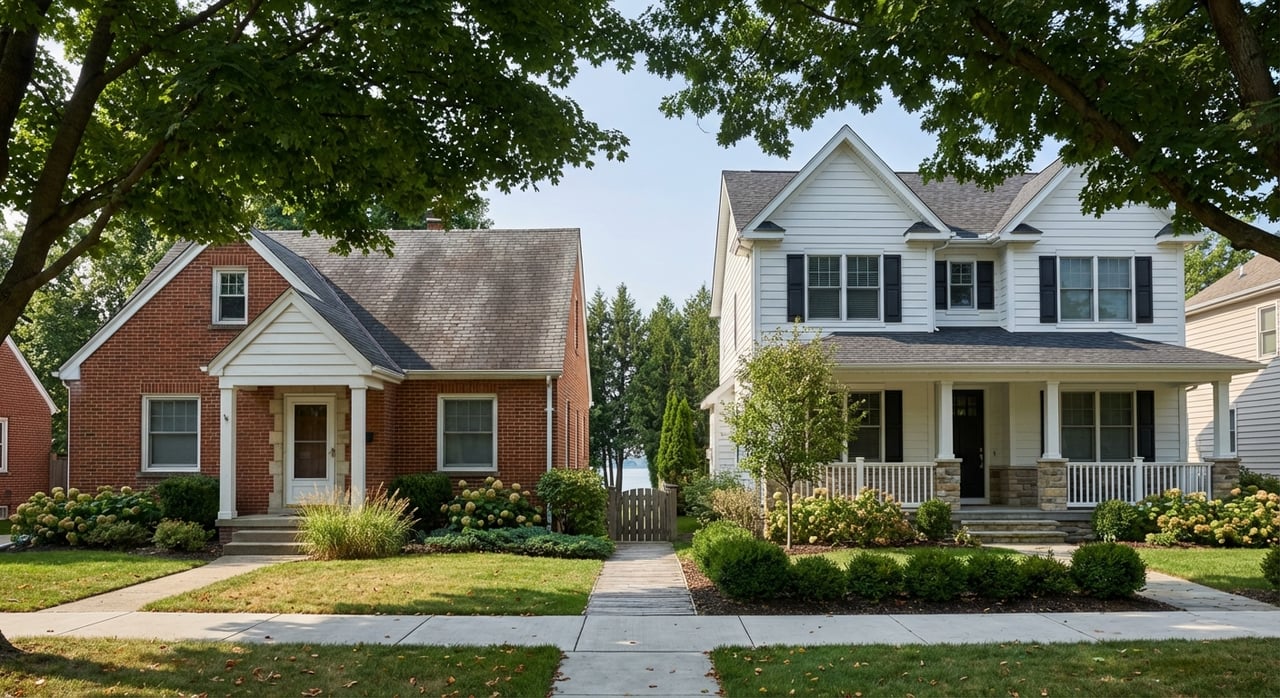
If you are deciding between waking up to Lake Michigan views or stepping outside to coffee, shops, and quick errands, you are not alone. In St. Joseph’s 49085 zip, buyers often weigh lakefront serenity against in-town convenience. Both deliver a great Southwest Michigan lifestyle, but the day-to-day tradeoffs, long-term costs, and maintenance needs are very different. In this guide, you will learn how each option lives, what it tends to cost, and the smart steps to take before you write an offer. Let’s dive in.
Lakefront vs in-town: what each means in 49085
St. Joseph’s 49085 covers downtown on the bluff, the river mouth and marina area, nearby neighborhoods within walking distance of State Street and Main Street, and inland subdivisions and township homes. In short, the same zip includes three lifestyles: direct or near-lakefront, near-downtown walkable, and inland with more space.
Seasonality matters here. Spring through early fall brings beach events and visitors, which boosts energy near the water and downtown but also increases parking demand and traffic. If quiet summers are a priority, you will want to factor this into your choice.
Daily life and access
Beach and park access
If beach time is your must-have, location shapes your routine. Silver Beach County Park is the main public beach at the mouth of the St. Joseph River with lifeguards in season, restrooms, and a playground. County beach parking requires daily fees or a county pass. Nearby Tiscornia Park and Lions Park are city-managed shore access points. County and city passes are different, so note which lots each one covers. Review park locations and pass details through the county’s Parks and Rental Facilities page and the city’s FAQs and parking information.
- Lakefront homes can offer private walk-downs or stair access to the shore, which is convenient but may come with steeper maintenance needs.
- In-town homes near the bluff usually let you walk to the beach and downtown, then rely on public lots during peak season.
- Inland homes trade walkability for space. You will likely drive to the beach and plan around seasonal parking.
Parking and downtown convenience
The city runs a seasonal paid parking program west of Main Street from roughly mid May through mid September. East of Main Street is generally free year round. If you expect to spend a lot of time downtown during summer, learn the zone and pass options early so you understand the routine for guests and second cars. For current rules, check the city’s FAQs and parking information.
Commute and transit
Most residents drive for daily commuting across the Twin Cities area. St. Joseph connects easily via US 31 and I 94, and there is a local bus system linking St. Joseph and Benton Harbor. The Amtrak Pere Marquette stops in St. Joseph with a daily connection toward Chicago and Grand Rapids, which is helpful for periodic trips rather than daily local use. You can read a concise regional overview in the Benton Harbor area summary.
If you plan to commute to South Bend or Kalamazoo, test-drive your route during peak hours from the neighborhoods you like.
Home types and typical price ranges
Zip-level snapshots for 49085 often show a median in the low to mid $300k range and a typical price per square foot around 199 to 200 for the area as a whole. That is a baseline, not a promise. Lakefront and prime bluff properties are outliers in both directions.
Lakefront and bluff properties
- What you see: Older cottages, custom lake houses, and some river or marina edge homes. Many have outdoor living, decks, and views. Some include private stairs, seawalls, docks, or riprap.
- Price context: Lakefront and river-peninsula estates can reach well above the zip median and commonly list from the 700s into the 1M plus range, depending on frontage, lot size, docking, and updates.
- Fit: You value direct water access and views and accept higher maintenance and insurance planning.
Near-downtown condos and homes
- What you see: Walkable condos and lofts, historic bungalows, and bluff-adjacent buildings. Variety is the draw.
- Price context: Recent condo sales near downtown have ranged from the low to mid 200s into the 500s based on size, building amenities, and views. Historic single-family homes often land around the zip median or somewhat higher.
- Fit: You want a short walk to dining, shops, and Silver Beach with a lower maintenance profile than direct lakefront.
Inland neighborhoods
- What you see: Mid-century ranches, newer suburban homes, and larger lots in St. Joseph Charter Township.
- Price context: Many inland homes cluster near the zip median in the low to mid 300s, with wide variation by neighborhood and finish.
- Fit: You want more space and value per square foot and are fine driving for the beach and errands.
Costs, maintenance, and risk
Lakefront-specific considerations
Great Lakes water levels rise and fall across seasons and multi-year cycles. Changes affect beach width, bluff and dune stability, and the stress on docks and shoreline protection. Planning ahead for this variability is smart. For broader trends, NOAA GLERL offers accessible science updates on water levels and coastal conditions in the region, such as this GLERL water-level and outlook Q&A.
- Flood exposure: Use FEMA’s Map Service Center to check whether a parcel sits in a Special Flood Hazard Area. Lenders commonly require flood insurance if structures fall in those zones, and standard homeowners policies do not cover flood damage.
- Corrosion and exterior wear: Lakefront homes often need more frequent paint, hardware replacement, and deck upkeep due to wind, moisture, and salt-like spray. If a property has a seawall, riprap, or dock, inspect permits, condition reports, and expected life cycle. The Michigan Sea Grant’s overview of shoreline ordinances and permitting is a helpful primer on rules and maintenance planning.
- Permits and public trust: Shore protection and in-water work typically require state permits and sometimes coordination with neighbors. Learn how the public trust doctrine shapes what is allowed at the waterline by reviewing this summary of public rights and shoreland protection.
Budget watch for lakefront typically includes higher ongoing maintenance, potential coastal repairs, and insurance considerations. Build those into your total cost of ownership.
In-town and inland considerations
You avoid direct shoreline risks and specialized coastal permits, which simplifies maintenance. The main tradeoffs near downtown are seasonal traffic and parking rules, which may add pass costs or guest planning. Downtown policies and timing are outlined in the city’s FAQs.
Inland homes often deliver more square footage and yard for the price, with a standard maintenance profile and fewer regulatory hurdles for exterior updates.
Which lifestyle fits you
Use this quick filter to focus your search.
Choose lakefront if you want:
- Direct water access, views, and private outdoor space on the shore.
- A quieter setting outside of town energy but with fast access by car.
- Willingness to budget for shoreline maintenance, flood review, and specialized inspections.
Choose in-town if you want:
- A short walk to dining, shops, and Silver Beach.
- Lower exterior maintenance than direct lakefront and a variety of condos and historic homes.
- Easy access to events and amenities, with a plan for seasonal parking.
Consider inland if you want:
- More square footage, larger lots, and value per dollar.
- A residential feel with easy highway access for commuting.
- Driving to the beach and downtown as part of the routine.
Smart search and offer steps
Due diligence checklist
Universal for all homes:
- Full home inspection by a licensed professional.
- Title review and a survey to confirm lot lines and any easements.
- Lender-ordered appraisal if you are financing.
- Radon test. Michigan is in an area where testing is recommended. See the EPA’s guidance on radon and include it in your inspection plan.
- Budget for closing costs. Many buyers see roughly 2 to 5 percent of the purchase price in closing costs, depending on loan type and local fees. The CFPB’s guide to down payments and closing costs can help you plan.
Lakefront-specific adds:
- Shoreline and seawall condition report, with permit history where applicable. Use the Michigan Sea Grant overview of shoreline ordinances to understand typical approvals.
- FEMA flood-zone determination and a flood insurance quote using the FEMA Map Service Center.
- Verification of any dock or boathouse rights and whether riparian or submerged-lands authorizations are documented. The public trust primer from FLOW is a helpful background read.
- Geotechnical or bluff-stability review for homes on or near a bluff.
Offer and timeline basics
- Earnest money: In Michigan, deposits commonly land in the 1 to 3 percent range, adjusted for market conditions. See a state-by-state summary of norms from DocJacket.
- Timelines: Plan inspection and lender steps quickly after acceptance. Appraisal and title work drive your closing date, so build a realistic buffer into your offer.
- Concessions and fees: Buyers and sellers negotiate who pays which fees. Ask your lender and title company for itemized estimates early in the process so your numbers are clear.
Offer strategy by buyer profile
- Walkability first: Focus on near-downtown condos or houses on the bluff. Weigh building amenities, HOA rules, and seasonal parking.
- Waterfront first: Target parcels with the frontage you want and include shoreline condition, permits, flood exposure, and insurance quotes as contingencies.
- Value first: Lean into inland neighborhoods and non-bluff in-town blocks for more space at or near the zip median. Use true apples-to-apples comps for waterfront vs non-waterfront.
How we help you choose with confidence
We guide you from vision to keys with clear, local advice and a structured process. Kameron brings mortgage and construction insight to help you price smartly, evaluate inspection findings, and plan renovations. Kristy runs a systems-driven transaction with checklists, timelines, and vendor coordination so nothing falls through the cracks. Whether you are choosing a lakeshore retreat, a walkable condo, or a larger inland home, you will get practical guidance on lifestyle fit, maintenance costs, and offer strategy.
Ready to compare real options in 49085 and tour the right homes for your goals? Connect with Kameron Morris and Kristy Morris today. From Vision to Keys. Let’s get started.
FAQs
What areas does 49085 include in St. Joseph?
- The zip covers downtown on the bluff, the river mouth and marina area, and nearby inland neighborhoods. That is why you will find both lakefront and in-town options within the same market.
How do beach and downtown parking passes work in St. Joseph?
- County passes are used at Silver Beach County Park while city passes cover sites like Tiscornia, Lions Park, and some downtown lots. Check the county’s parks page and the city’s FAQs for current rules and seasonal dates.
Do St. Joseph lakefront homes require flood insurance?
- If structures lie in a FEMA Special Flood Hazard Area, lenders commonly require flood insurance. Confirm a property’s status using FEMA’s Map Service Center and get quotes before you remove contingencies.
What maintenance is unique to Lake Michigan frontage?
- Expect more frequent exterior upkeep due to wind and moisture, and plan for potential shoreline protection work. Review Michigan Sea Grant’s shoreline permitting overview and watch regional water-level trends like those covered in this GLERL Q&A.
What are typical home prices in 49085?
- Zip-level medians often land in the low to mid $300k range, with typical price per square foot around 199 to 200. Lakefront properties can be much higher, while many inland homes cluster near the median.
Is there rail service for trips to Chicago or Grand Rapids?
- Yes. The Amtrak Pere Marquette stops in St. Joseph and offers a daily connection toward Chicago and Grand Rapids, which is helpful for periodic travel. See the regional overview in the Benton Harbor area summary.
What is a typical earnest money deposit in Michigan?
- Many offers include 1 to 3 percent of the purchase price as earnest money, flexed for competitiveness. See a summary of state norms from DocJacket.
