Picture yourself on the water in 49047 with coffee on the dock and a slow pontoon ride at sunset. If you are eyeing a Sister Lakes cottage, you already know the lifestyle is special. The smart move now is to understand the lakes, ownership types, inspections, permits, financing, and ongoing costs before you fall in love with a porch swing. This guide gives you clear steps so you can buy with confidence and enjoy your place for years. Let’s dive in.
Sister Lakes basics
Sister Lakes refers to a close cluster of inland lakes near Dowagiac in Cass County, with parts touching nearby county lines. M-152 runs through the heart of the resort area and connects many of the lake roads.
You will hear the same names often: Magician Lake, Dewey Lake, Round Lake, Big Crooked, Little Crooked, Cable Lake, Keeler, and others. Some are all-sports with active boating. Others are quiet or no-wake. That mix affects boat rules, noise, and buyer preferences, which in turn influence price and inventory.
Cottage types and ownership
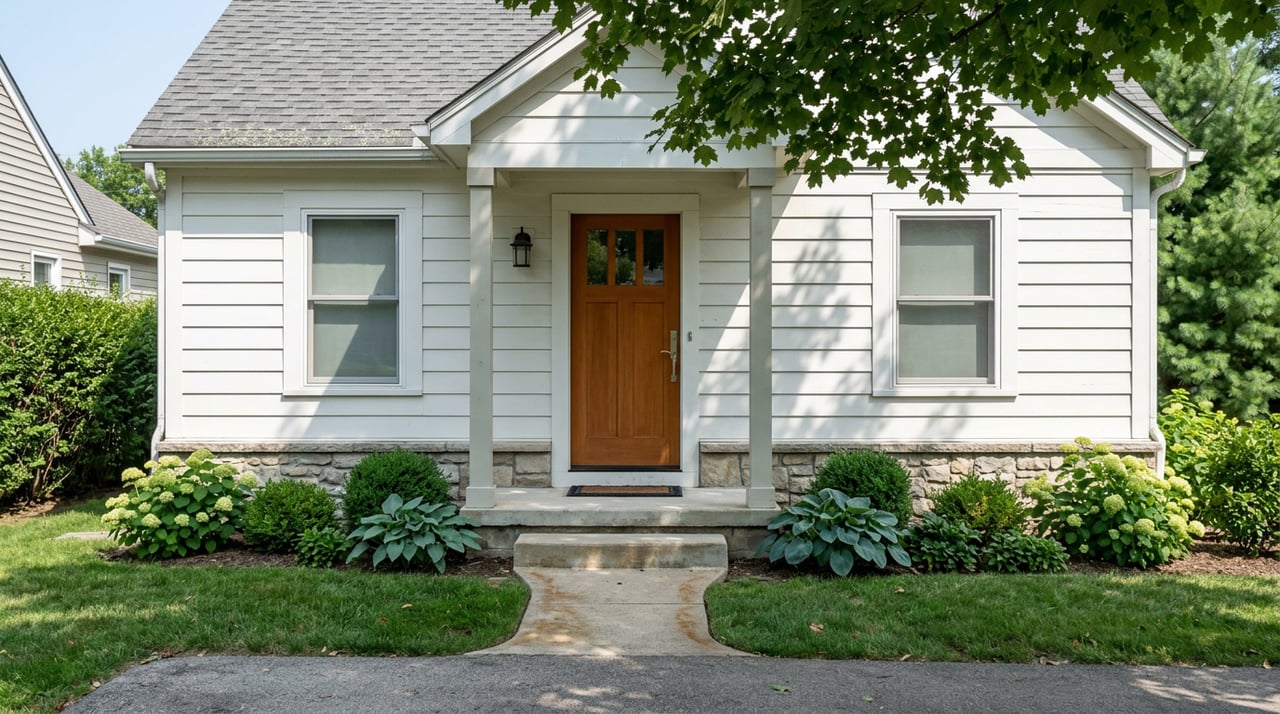
Inventory ranges from tiny mid-century seasonal cottages to renovated year-round homes and newer custom builds. Many original cottages were designed for summer only, then updated over time. Pay close attention to age, condition, and any recent upgrades.
Shoreline and access options vary:
- Private lakefront lots with direct frontage.
- Shared or association access for deeded back-lot homes.
- Public access points and launches near some lakes.
- Leased-land cottages where you lease the lot rather than own it. These can be hard to finance through conventional loans and may require cash.
Docks, boat lifts, seawalls, and boathouses also vary by property. Do not assume you can replace or expand a structure without approvals. Michigan’s inland lakes rules require permits for many shoreline or bottomland activities. Review state requirements under the Natural Resources and Environmental Protection Act and confirm what is already permitted on the property before making plans. You can start by reading the state statute overview for inland lakes and streams in the Michigan Compiled Laws under Part 301 and related parts of NREPA at the Michigan Legislature site.
Year-round comfort and inspections
Many cottages were not built for winter. If you plan to use the home year-round, confirm the essentials:
- Insulation and air sealing suitable for four seasons.
- A frost-protected foundation or support system.
- A heating system sized for Michigan winters.
- Water and drain lines routed in conditioned spaces, not exposed crawl areas.
Budget for a full home inspection. Add specialty inspections common to lake properties:
- Private well evaluation and lab testing for bacteria and nitrates. A qualified inspector can handle sampling and advise on treatment options. See typical scope in a reputable inspector’s overview of residential services and testing on Baker Property Inspections.
- Septic system inspection to confirm tank condition, drain field function, and any permit history. The Van Buren/Cass District Health Department issues well and sewage permits and provides guidance on sale-related inspections. Start with their water and wastewater page at the Van Buren/Cass District Health Department.
- Radon testing. Southern Michigan counties include areas with higher radon potential. A short-term or continuous test during inspections is a smart step. The EPA details radon risk and testing approaches in this EPA technical resource.
Permits, zoning, and associations
Permits and approvals can come from several layers.
- State level. Work in bottomlands or along the shoreline often needs permits. Shoreline stabilization, dredging, larger docks, or boathouses typically require state review. Start with the inland lakes and streams sections of Michigan’s NREPA statutes.
- Local level. Townships and counties handle building permits, setbacks, and some dock or road-end rules. The Van Buren/Cass District Health Department also provides applications and inspections for wells, septics, and certain short-term rental programs in its environmental health menu.
- Lake associations. Many Sister Lakes communities have active lake or improvement associations that manage invasive species treatment, water quality projects, and member expectations for docks and shoreline maintenance. Ask sellers for association documents and any riparian agreements. As an example, the Magician Lake Improvement Association outlines programs and meetings on the MLIA site.
Financing your cottage
Your loan options depend on how you will use the property.
- Second home. Conforming guidelines allow second-home financing at higher loan-to-value ratios than investment properties. Many buyers use about 10 percent down, though lenders can require stronger credit, cash reserves, and apply pricing adjustments. Review the occupancy and eligibility framework in the Fannie Mae Selling Guide and speak with a lender who regularly handles second homes.
- Investment property. If you plan to rent it regularly or rely on rental income to qualify, lenders treat it as an investment. Expect a higher down payment and rate than a second home.
- FHA and VA. These programs are generally for primary residences. FHA requires primary occupancy in most cases, and VA loans require the borrower to intend to occupy the home as a primary residence, with limited exceptions. Review occupancy rules in this FHA policy reference and confirm details with your lender.
Simple example: If you buy as a true second home with 10 percent down, you may have private mortgage insurance until you build equity. If you buy the same home as an investment with 20 percent down, you avoid PMI, but your rate and reserve requirements are likely higher. Your best move is to engage a local lender early and run scenarios.
Local market note: Waterfront values move differently than non-waterfront and can fluctuate with seasonality and tight inventory. The Southwestern Michigan Association of REALTORS publishes monthly updates that distinguish market segments. Review recent county-level trends at SWMAR’s market news, then pair that with a lake-specific search.
Insurance, flood risk, and ongoing costs
Even inland lakes can have flood or shoreline risk spots. During due diligence, look up the property in the FEMA Flood Map Service Center and confirm whether it sits in or near a Special Flood Hazard Area. For a quick overview of how to use FEMA maps, review this municipal guide to FEMA flood mapping basics.
Plan for ongoing costs that cottage buyers sometimes miss:
- Shoreline maintenance or stabilization.
- Septic pumping, repairs, or replacement.
- Private well service and water treatment.
- Dock removal and seasonal maintenance.
- Higher insurance premiums for waterfront exposure.
Your local health department page can also point you to potential septic assistance programs and permit guidance. Start at the Van Buren/Cass District Health Department.
Buyer checklist for Sister Lakes
- Confirm shoreline ownership type and boundaries. Order a survey if lines are unclear.
- Request the seller’s disclosure, association bylaws, and recent lake meeting minutes.
- Order a full home inspection plus private well water testing and a septic inspection with permit history.
- Look up the parcel in FEMA flood maps and note the flood zone.
- Verify that docks, lifts, seawalls, or shoreline changes were properly permitted under state and local rules.
- Talk to a lender experienced with second homes. Ask about down payment, reserve requirements, and whether property condition could affect appraisal.
- Request sample closing costs, recent tax history, and an insurance quote. For parcel tax detail and millage, contact the township or county treasurer. Pokagon Township posts treasurer contact and collection info on its Treasurer page.
Ready to explore Sister Lakes?
When you understand the lakes, rules, and numbers, you can move fast on the right cottage and avoid surprises after closing. If you want help narrowing lakes, structuring inspections, and mapping financing options, reach out. We pair on-the-water insight with organized, step-by-step guidance so you can focus on the fun part.
Connect with Kameron Morris and Kristy Morris to plan your Sister Lakes search and start strong.
FAQs
What is included in “Sister Lakes” near Dowagiac?
- Sister Lakes is a cluster of inland lakes around 49047, including Magician, Dewey, Round, Big Crooked, Little Crooked, Cable, Keeler, and others connected by area roads like M-152.
Can I add or expand a dock or boathouse on a Sister Lakes property?
- Not without checking permits first; Michigan’s inland lakes laws often require state review for bottomland or shoreline work, so confirm approvals before planning changes.
What inspections should I order for a seasonal cottage in 49047?
- Get a full home inspection plus well water testing, a septic inspection with permit history, and a radon test to cover common lake-home risks.
How do second-home loans differ from investment loans for cottages?
- Second-home loans can allow lower down payments than investment loans but may require strong credit and reserves; investment loans usually need more down and carry higher rates.
Can I use FHA or VA to buy a Sister Lakes cottage?
- FHA and VA are primarily for primary residences; if you plan to use the home as a true second home, you will likely use a conventional loan instead.
Do I need flood insurance for an inland lake cottage?
- It depends on the FEMA flood zone for the parcel; check the FEMA maps during due diligence and ask your insurance agent to quote options if near a Special Flood Hazard Area.
